
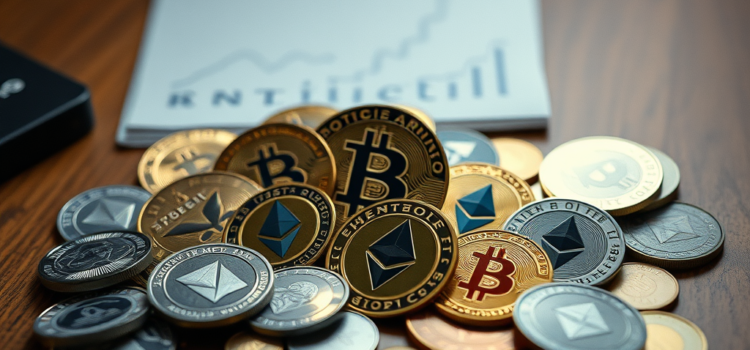
Entering the world of cryptocurrency can be both exciting and daunting. With thousands of cryptocurrencies available and a constantly evolving market, it’s essential to approach crypto investing with a well-thought-out strategy. This guide covers the basics of building a crypto portfolio safely, focusing on risk management, diversification, and tools to track performance.
1. Start with Clear Goals and an Investment Budget
Before diving in, establish clear investment goals. Are you looking to invest for the long term, or are you interested in short-term trading? Setting these goals will shape your investment strategy and help you stay focused during market fluctuations.
- Define Your Risk Tolerance: Crypto is volatile, and prices can swing dramatically. Decide how much risk you’re comfortable with and avoid investing money you can’t afford to lose.
- Allocate a Budget: Only invest a portion of your overall savings in crypto. Many experts recommend starting with 5–10% of your investment portfolio, especially if you’re new to the space.
2. Diversification: Don’t Put All Your Eggs in One Basket
Diversifying your portfolio is a fundamental strategy for managing risk. By investing in different types of crypto assets, you reduce the impact of a poor-performing asset on your overall portfolio.
2.1. Invest in Different Types of Cryptocurrencies
There are several types of cryptocurrencies with distinct functions and use cases. Diversify by investing across these categories to spread risk:
- Store of Value Coins: These are established assets like Bitcoin (BTC), often considered digital gold and a hedge against inflation.
- Platform Coins: Cryptocurrencies like Ethereum (ETH) and Vector Smart Chain (VSC) are used to power blockchain ecosystems, where developers build decentralized applications (dApps).
- DeFi Tokens: Tokens within decentralized finance (DeFi) projects, such as Uniswap (UNI) and Aave (AAVE), represent financial services like lending, borrowing, and trading.
- Stablecoins: Assets like Tether (USDT) and USD Coin (USDC) are pegged to traditional currencies and provide stability, making them useful for reducing portfolio volatility.
2.2. Avoid Overconcentration in a Single Asset
While it’s tempting to go all-in on a popular cryptocurrency, overconcentration increases risk. Spread your investments across various assets to protect yourself from the sharp declines that individual coins can experience.
3. Risk Management: Protecting Your Investment
Cryptocurrencies can be highly volatile, and prices can change dramatically in short periods. Managing risk is key to building a sustainable portfolio.
3.1. Consider Dollar-Cost Averaging (DCA)
Dollar-cost averaging involves investing a fixed amount in crypto at regular intervals (e.g., weekly or monthly), regardless of price. This strategy helps you avoid making emotional investment decisions and can smooth out the effects of market volatility.
- Example: Invest $100 in Bitcoin every month. This way, you’ll buy more when prices are low and less when prices are high, averaging out your purchase cost.
3.2. Set Stop-Loss Orders
Stop-loss orders automatically sell a cryptocurrency if it drops to a predetermined price, helping limit losses during market downturns. While stop-losses are more commonly used in trading, they can also benefit long-term investors by minimizing exposure to steep declines.
3.3. Stay Informed and Monitor Regulatory Changes
The crypto landscape is constantly evolving, and regulatory changes can impact asset prices. Keep yourself informed about industry news, regulatory updates, and market trends to make more informed decisions.
- Tip: Follow reputable crypto news sources like CoinDesk, CoinTelegraph, and your chosen exchange’s updates.
4. Tools for Tracking Portfolio Performance
Tracking your portfolio’s performance helps you understand which assets are contributing positively and which may need adjustment. There are several tools available to help manage and monitor your investments effectively.
4.1. Portfolio Tracking Apps
Portfolio tracking apps let you monitor your holdings, see real-time prices, and calculate your gains or losses. Many of these tools offer analytics and insights to help you make informed decisions.
- Examples: CoinStats, Blockfolio, and CoinTracker are popular portfolio trackers that support multiple exchanges and wallet connections for accurate tracking.
4.2. Crypto Exchanges with Portfolio Management Features
Many exchanges now offer built-in portfolio management tools. Platforms like Binance and Coinbase allow you to view your holdings, track performance, and even set alerts for price changes.
- Tip: Choose an exchange with user-friendly portfolio tools, especially if you’re a beginner, as this will make it easier to monitor your performance and make timely decisions.
4.3. Spreadsheet Tracking for Customization
If you prefer a DIY approach, creating a spreadsheet to track your crypto portfolio offers customization and flexibility. You can log your transactions, monitor price changes, and even add formulas to calculate metrics like average purchase price and total return.
5. Staying Committed to a Long-Term Strategy
Crypto markets are notorious for their volatility, and it’s common to see double-digit percentage swings in short periods. For beginners, a long-term investment approach can help ride out these fluctuations and take advantage of the market’s overall growth trend.
5.1. Avoid Panic Selling During Dips
Market downturns are inevitable, but panic selling can lock in losses. Instead, focus on your long-term goals and try to stay calm during market fluctuations. Remember, volatility is a feature of the crypto market, not a bug.
5.2. Review and Adjust Your Portfolio Regularly
While it’s essential to stay focused on long-term goals, occasional portfolio reviews can help you reassess your strategy. Market dynamics, regulatory changes, and personal goals may shift over time, so adjusting your portfolio periodically can ensure it aligns with your objectives.
- Example: Conduct a quarterly review to see how each asset performs and adjust allocations if needed.
WTF Does It All Mean?
Building a crypto portfolio as a beginner doesn’t have to be complicated, but it does require a thoughtful, strategic approach. By starting with a clear budget, diversifying across different types of assets, managing risks, and using tracking tools to monitor performance, you’ll set yourself up for a safer and more sustainable investment experience. While crypto’s volatility can be challenging, keeping a long-term perspective and avoiding emotional reactions to market movements will help you navigate the ups and downs.
For more tips and resources on crypto investing, visit jasonansell.ca.
Key Takeaways
- 1Define clear investment goals and risk tolerance before committing capital to cryptocurrency.
- 2Diversify across various crypto asset classes to lower individual asset risk.
- 3Use dollar-cost averaging to smooth out the effects of market volatility over time.
- 4Monitor performance using dedicated portfolio tracking apps or built-in exchange tools.
- 5Maintain a long-term perspective to navigate market fluctuations and avoid emotional panic selling.
Frequently Asked Questions
What is dollar-cost averaging in cryptocurrency?
Why is diversification important for a crypto portfolio?
How can I manage risks when investing in digital assets?
Related Glossary Terms
Cryptocurrency
A digital or virtual currency that uses cryptography for security and operates on a blockchain network, typically without a central authority. Cryptocurrencies enable peer-to-peer transfer of value without intermediaries.
USDT
USDT (Tether) is the world's most widely traded and utilized stablecoin, pegged 1:1 to the US dollar. Issued by Tether Limited, it serves as the primary liquidity bridge between fiat and the volatile cryptocurrency market. USDT operates across multiple blockchain networks, providing a versatile medium of exchange. While it has faced scrutiny regarding the composition of its reserves, it remains the dominant stablecoin by market capitalization due to its first-mover advantage and extensive integration across global exchanges.
USDC
USDC (USD Coin) is a fiat-backed stablecoin that is pegged 1:1 to the US dollar. Managed by the Centre Consortium, which includes Circle and Coinbase, USDC is designed for transparency and regulatory compliance. It is fully backed by cash and short-dated US Treasury bonds held in regulated financial institutions. Its commitment to regular third-party audits and adherence to US financial regulations has made it a preferred stablecoin for institutional investors and regulated DeFi applications.
Decentralized Finance (DeFi)
Financial applications built on blockchain networks that operate without traditional intermediaries like banks or brokers. DeFi uses smart contracts to automate lending, borrowing, trading, and other financial services in a permissionless and transparent way.
Stablecoin
A cryptocurrency designed to maintain a stable value by pegging to an external asset, typically a fiat currency like the US dollar. Stablecoins provide price stability for DeFi applications, trading pairs, and as a bridge between fiat and crypto ecosystems.
Related Books
Cryptocurrency for Beginners Made Easy: A Non-Technical Guide to Unlock the Basics of Crypto, Invest Like a Pro, and Build Wealth Quickly With Tax-Free Strategies
Comprendre la Finance Décentralisée
Libérer le potentiel de DeFi et gagner un revenu passif
Crypto-Monnaie Pour Les Débutants
Apprenez à acheter, vendre et gérer des actifs numériques en toute confiance
Keep learning
Explore more in Cryptocurrency