
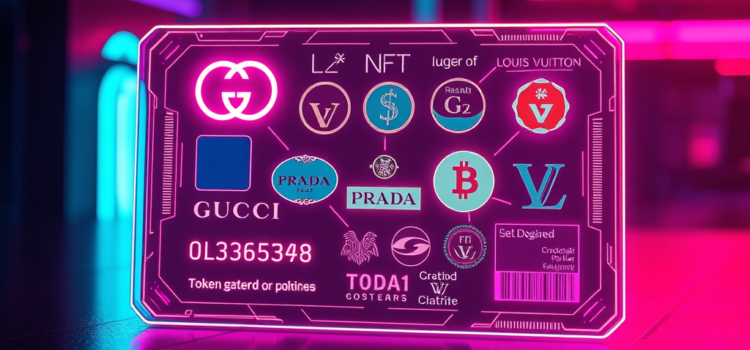
NFTs are no longer just collectible digital art—they are revolutionizing exclusive memberships, loyalty programs, and gated communities. In 2025, token-gated communities are becoming a powerful tool for brands, influencers, and businesses to build deeper customer engagement through exclusive access, perks, and VIP experiences.
So, how are companies leveraging NFT-based memberships, and what does this mean for the future of customer loyalty? Let’s explore how brands are integrating NFTs into their engagement strategies.
1. What Are Token-Gated Communities?
A token-gated community is a private network, platform, or event where NFT holders gain access. Think of it as a digital membership card that unlocks:
✔️ Exclusive content (premium blogs, podcasts, or video courses).
✔️ VIP events (invite-only IRL meetups or virtual experiences).
✔️ Loyalty rewards (discounts, early product access, and perks).
✔️ Private networking groups (Discord, Telegram, or metaverse spaces).
Instead of passwords or traditional subscriptions, access is granted by owning a specific NFT.
2. How Brands Are Using NFTs for Exclusive Access
2.1. Luxury Brands: VIP Memberships & Events
✔️ Gucci, Prada, and Louis Vuitton have launched NFT memberships that grant early access to collections and private fashion shows.
✔️ Impact: Customers feel a stronger connection to brands, boosting loyalty.
2.2. Musicians & Artists: NFT Fan Clubs
✔️ Kings of Leon and The Chainsmokers sold NFT albums that unlock VIP concert access and meet-and-greets.
✔️ Impact: Fans can trade or sell their NFT memberships, creating secondary markets.
2.3. Influencers & Content Creators: Exclusive Communities
✔️ Creators on Patreon and OnlyFans are integrating NFTs for premium content access.
✔️ Impact: NFT holders get lifetime access, replacing traditional subscriptions.
2.4. Gaming & Metaverse: Play-to-Access Models
✔️ Games like Axie Infinity and The Sandbox use NFTs for exclusive in-game perks.
✔️ Impact: Players own in-game assets that provide real-world value.
2.5. Corporate Loyalty Programs: NFT-Based Rewards
✔️ Starbucks Odyssey gives NFT-based rewards for loyal customers.
✔️ Nike and Adidas use NFTs to provide early product access to Web3 members.
✔️ Impact: Customers feel more invested in brands and their exclusive digital experiences.
3. Why Token-Gated Communities Are the Future of Loyalty Programs
🔹 Ownership & Tradeability: Unlike traditional memberships, NFT access can be resold or transferred.
🔹 Decentralization & Security: Blockchain-based memberships prevent fraud and unauthorized access.
🔹 Engagement & Gamification: Brands can create tiered rewards and unlockable perks.
4. Challenges & Limitations of NFT Memberships
🚧 Adoption Barriers: Many consumers don’t understand crypto wallets yet.
🚧 Scalability Issues: Ethereum gas fees make minting NFTs expensive (Layer-2 solutions help).
🚧 Security Concerns: Phishing scams and wallet hacks remain risks.
✅ Solution: Brands are launching user-friendly NFT wallets and integrating simple fiat payment options for easier onboarding.
WTF Does It All Mean?
Token-gated communities are changing the way brands engage with customers. Whether it’s VIP fashion events, NFT fan clubs, or corporate loyalty programs, NFT-based access enhances exclusivity and brand loyalty.
As Web3 adoption grows, expect to see more businesses integrating NFTs into their customer engagement strategies.
For more insights on Web3, blockchain, and digital innovation, visit jasonansell.ca.
Key Takeaways
- 1Token-gated communities use NFTs to verify membership for exclusive digital or physical brand experiences.
- 2NFT-based access enables secondary markets where memberships can be traded, unlike traditional rigid loyalty programs.
- 3Luxury brands, musicians, and gaming platforms are utilizing token-gating to build deeper customer engagement and loyalty.
- 4User experience remains a barrier, but simplified wallet technology is making NFT integration more accessible for mainstream users.
Frequently Asked Questions
What is a token-gated community?
How do NFT-based memberships differ from traditional loyalty programs?
What are the common benefits for brands using NFTs for access?
What are the primary challenges of implementing NFT membership programs?
Related Glossary Terms
Metaverse
The metaverse refers to a collective, persistent, three-dimensional virtual space that acts as a digital evolution of the internet. It is characterized by immersive environments, social connectivity, and the ability for users to interact through avatars. In the context of blockchain, the metaverse integrates decentralized technology to enable true digital ownership, persistent identities across disparate virtual worlds, and an interoperable economy where goods and services can move freely between different platforms.
Minting
Minting refers to the operational process of deploying, generating, and recording tokens onto a blockchain. While the term 'mint' refers to the specific instance of creation, 'minting' describes the ongoing activity or phase within a project lifecycle where users or creators interact with a smart contract to claim new NFTs. This phase is critical for the initial distribution of a collection and requires careful management of network capacity to ensure efficient, secure, and fair allocation of assets to participants.
Phishing
Phishing is a social engineering attack where malicious actors impersonate legitimate platforms, services, or individuals to deceive users into disclosing sensitive information, such as private keys, seed phrases, or login credentials. In the crypto sector, phishing is highly sophisticated; attackers often create fake websites, send fraudulent emails, or use social media bots to trick users into signing malicious transactions that drain their wallets.
Decentralized Autonomous Organization (DAO)
An organization governed by smart contracts and on-chain voting, without traditional management structures. DAO members hold governance tokens that give them voting power over proposals. All rules, funds, and decisions are recorded transparently on the blockchain.
Non-Fungible Token (NFT)
A unique digital token that represents ownership of a specific asset. Unlike fungible tokens (where each unit is identical), NFTs are distinct and non-interchangeable. NFTs are commonly used for digital art, collectibles, game items, and representations of real-world assets.
Keep learning
Explore more in Web3