
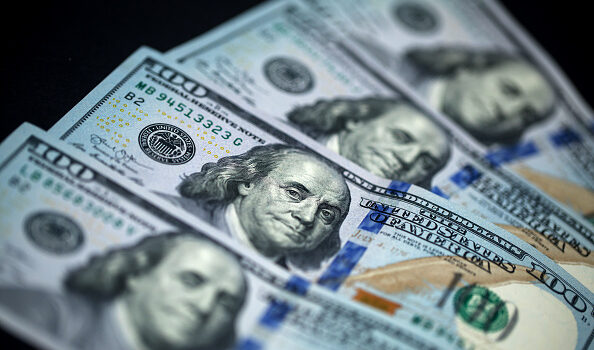
Money is an essential part of our daily lives, but have you ever wondered why we call it “money”? The term “money” has a fascinating history that reflects its evolution and significance in human society. In this article, we will explore the origins of the word “money,” its historical context, and its enduring importance.
The Etymology of “Money”
The word “money” has its roots in ancient languages and civilizations. Here’s a brief look at its etymological journey:
- Latin Origin:
- The term “money” originates from the Latin word “moneta.” In ancient Rome, Moneta was a title for the goddess Juno, specifically Juno Moneta. The Roman mint, where coins were produced, was located in a temple dedicated to Juno Moneta. Hence, “moneta” came to refer to the coins themselves.
- Old French Influence:
- The Latin word “moneta” evolved into “moneie” in Old French. As the term spread across Europe, it gradually transformed into the English word “money.”
Historical Context of Money
Understanding the historical context of money helps us appreciate why it became such a central concept. Money, in its various forms, has been used for thousands of years to facilitate trade, store value, and measure worth. Here are some key points in the history of money:
- Barter System:
- Before money existed, people relied on bartering to exchange goods and services. This system had significant limitations, as it required a double coincidence of wants—both parties had to want what the other was offering.
- Commodity Money:
- To overcome the limitations of barter, societies began using commodity money. These were objects with intrinsic value, such as gold, silver, or salt. Commodity money provided a standardized medium of exchange.
- Coinage:
- The invention of coinage marked a significant advancement. Coins made of precious metals were durable, portable, and had a recognized value. Ancient civilizations, including the Greeks and Romans, widely adopted coinage.
- Paper Money:
- Paper money emerged as a convenient alternative to carrying heavy metal coins. Early forms of paper money appeared in China during the Tang Dynasty (618-907 AD) and became more widespread in Europe during the Middle Ages.
- Modern Money:
- Today, money exists in various forms, including coins, paper bills, and digital currencies. The fundamental concept remains the same: money serves as a medium of exchange, a unit of account, and a store of value.
The Functions of Money
The term “money” encompasses various functions that make it an indispensable part of our economic system:
- Medium of Exchange:
- Money facilitates transactions by providing a common medium that everyone accepts. This eliminates the inefficiencies of bartering.
- Unit of Account:
- Money provides a standardized measure of value, making it easier to compare prices and value goods and services.
- Store of Value:
- Money retains value over time, allowing individuals to save and plan for the future. It provides a reliable means to preserve wealth.
- Standard of Deferred Payment:
- Money enables the settlement of debts and future payments. It ensures that credit and lending systems function smoothly.
The Cultural Significance of Money
Money’s role extends beyond economics; it has deep cultural and social significance. Here are a few aspects:
- Symbol of Wealth and Power:
- Throughout history, money has been associated with wealth, power, and social status. It often reflects an individual’s or society’s economic success and stability.
- Cultural References:
- Money appears frequently in literature, art, and popular culture. Phrases like “money makes the world go round” or “time is money” underscore its pervasive influence.
- Philosophical and Ethical Debates:
- Money is a common topic in philosophical and ethical discussions. Questions about wealth distribution, the morality of profit, and the impact of money on human behavior are longstanding and ongoing.
Conclusion
The term “money” has a rich etymological and historical background that reflects its essential role in human society. From its origins in ancient Rome to its modern-day functions, money has evolved to become a central pillar of economic systems worldwide. Understanding why we call money “money” provides insight into its significance and the vital role it plays in facilitating trade, measuring value, and storing wealth.
Key Takeaways
- 1The word money traces its linguistic roots back to the Roman goddess Juno Moneta.
- 2Money evolved from early barter systems and commodity money to coinage and paper currency.
- 3The fundamental purpose of money is to act as a medium of exchange and store of value.
- 4Beyond economics, money holds significant cultural influence as a symbol of wealth and social status.
Frequently Asked Questions
What is the origin of the word money?
How did the transition from bartering to money occur?
What are the primary functions of money in an economy?
Keep learning
Explore more in Money