
Technologyintermediate
Agent-Scale Git Moves the Bottleneck to Merge Policy
GitHub’s new storage architecture can absorb thousands of agent pushes. The harder problem is deciding which changes should be allowed to meet, merge and ship.
Article
Thousands of expertly written articles covering blockchain, cryptocurrency, Web3, AI, and decentralized technology — all interconnected through our knowledge graph.
20 articles
GitHub’s new storage architecture can absorb thousands of agent pushes. The harder problem is deciding which changes should be allowed to meet, merge and ship.

Canada’s new frontier-AI cyber direction makes a useful point for every technology operator: faster threats raise the value of accurate inventories, governed machine identities and tested recovery evidence.

A post is not finished when a database row says published. It is finished when the reader page, assets, crawler HTML, RSS identity and share previews agree.

A successful website migration must preserve more than pages. Feeds, content identities and distribution workflows determine whether publishing keeps working.

The next decade won’t be defined by the apps we use, but by the digital infrastructure quietly powering artificial intelligence, cloud computing, blockchain, automation, and the global economy.

Artificial intelligence can already write software, analyze markets, create content, conduct research, communicate with customers, and coordinate increasingly complex activities. It can help an individual operate a business that once required an entire team. It can evaluate thousands of documents in
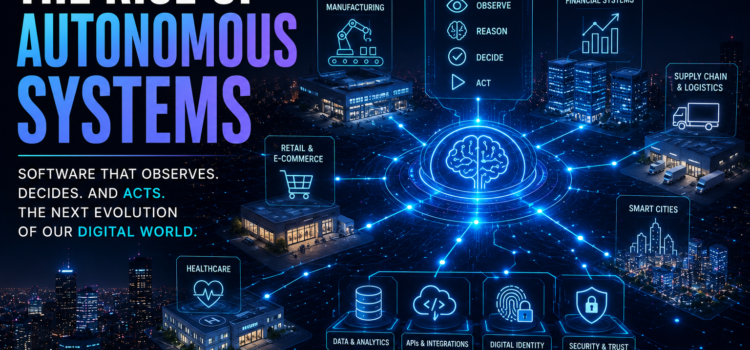
For most of computing history, software has waited for us. Open the program. Enter the information. Click the button. Choose the option. Confirm the action. Software responds. Even many of today’s most advanced digital systems still operate according to this basic model. A human initiates an a
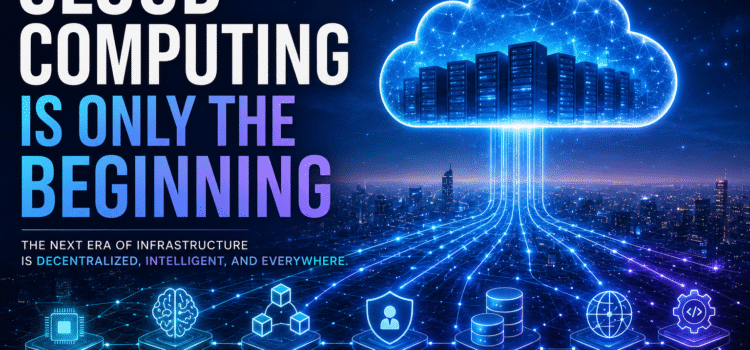
Cloud computing changed technology forever. Before the cloud became mainstream, building serious digital infrastructure often meant buying physical servers, maintaining hardware, managing data centers, estimating future capacity, and making large investments before knowing whether a product would su
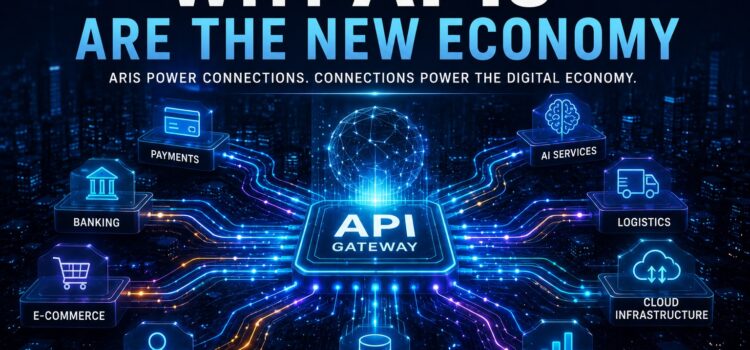
The modern economy increasingly runs on connections. Not roads. Not railways. Not even websites. Connections between software. A payment platform connects to a bank. An e-commerce store connects to a shipping provider. A mobile application connects to a mapping service. An AI assistant connects to a

For more than a decade, technology has been dominated by apps. There’s an app for banking. An app for shopping. An app for transportation. An app for communication. An app for entertainment. An app for almost every imaginable task. The smartphone turned software into something billions of peop

The internet is changing again. But this time, the transformation may be harder to see. There is no single product defining the shift. No single company controls it. No obvious moment when the old internet ends and the new one begins. Instead, the internet is being quietly rebuilt underneath us. Art

When people think about groundbreaking technology, they often picture something flashy. The latest smartphone. A humanoid robot. A new AI chatbot. A revolutionary blockchain. These products attract headlines because they’re visible. They’re exciting, tangible, and easy to demonstrate. Ye

For decades, software has operated in essentially the same way. A user opens an application. Provides instructions. Clicks buttons. Enters information. Receives results. Whether it's email, accounting software, spreadsheets, websites, or mobile applications, most software follows a familiar pattern.

When people imagine the future, they often picture visible technology. Flying cars. Humanoid robots. Augmented reality glasses. Futuristic cities covered in holographic displays. For decades, science fiction has conditioned us to expect technological progress to be obvious. But history suggests some

For most of human history, economic activity has revolved around people. People earn income. People make purchases. People negotiate agreements. People own assets. People provide services. Technology has always supported economic activity, but it has rarely participated in it directly. That may be..

Most discussions about artificial intelligence focus on models. The latest chatbot. The newest image generator. The next breakthrough in reasoning. The race between technology companies building increasingly powerful systems. These developments attract attention because they are visible. People inte

Speed has become the default metric in startups. Ship faster. Launch sooner. Iterate quickly. Move before anyone else does. On the surface, this makes sense. In fast-moving markets, hesitation looks like failure. But speed alone doesn’t create success. Because building fast and building right are n.

Most startups don’t fail because they lack ambition. They fail because they build too much. Too early. And for the wrong reasons. On the surface, it looks like progress. More features. More complexity. More capability. But underneath, something breaks. Because building more doesn’t always mean...

When people think about technological change, they imagine disruption. Big announcements. Clear turning points. Moments that signal something has changed. But most industries don’t transform that way. They change quietly. Gradually. And often without anyone noticing until it’s already happened...

Interfaces used to define technology. Buttons. Menus. Screens. You opened an app. You clicked through options. You interacted step by step. That model is fading. Because the next stage of technology isn’t about better interfaces. It’s about removing them. What Interfaces Were Designed to Do ...