
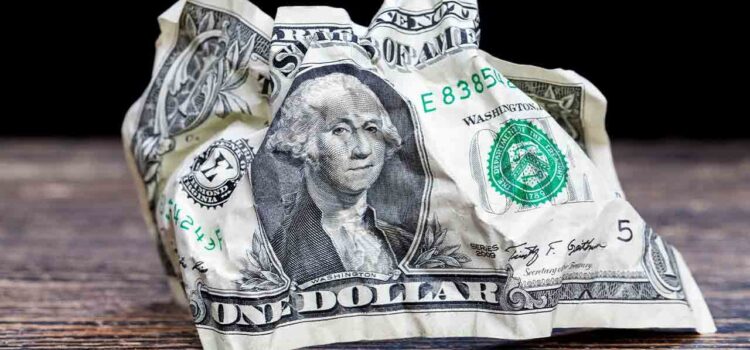
Money is an integral part of our daily lives, serving as a medium of exchange, a unit of account, and a store of value. But what would a world without money look like? Imagining such a world invites us to explore alternative systems of trade, societal organization, and value creation. This article delves into the implications, challenges, and potential benefits of a world without money.
The Role of Money in Society
Before envisioning a world without money, it’s important to understand the crucial roles money plays in our current society:
- Medium of Exchange: Money facilitates the buying and selling of goods and services, eliminating the inefficiencies of barter systems.
- Unit of Account: Money provides a standard measure of value, making it easier to compare the worth of different goods and services.
- Store of Value: Money allows individuals to save and transfer purchasing power over time.
Historical Context: Barter Systems
Before the advent of money, barter systems were the primary method of trade. People exchanged goods and services directly. However, barter had significant limitations:
- Double Coincidence of Wants: Both parties had to want what the other offered, making trades complex and limited.
- Lack of Standard Value: Without a common measure of value, it was difficult to assess fair trades.
- Indivisibility of Goods: Some items could not be easily divided to match the value of other goods.
Imagining a World Without Money
- Alternative Exchange Systems:
- Barter 2.0: A modernized barter system could leverage technology to match wants and needs more efficiently. Digital platforms could facilitate complex multi-party trades, reducing the limitations of traditional barter.
- Resource-Based Economy: In a resource-based economy, goods and services are allocated based on availability and need rather than monetary transactions. Advanced technology and AI could manage the distribution of resources.
- Social and Community-Based Systems:
- Gift Economy: In a gift economy, goods and services are given without explicit agreements for immediate or future rewards. Social bonds and community cohesion are strengthened through acts of giving and reciprocity.
- Time Banking: Time banking allows people to trade hours of work for equivalent hours of service. For example, one hour of tutoring could be exchanged for one hour of gardening.
- Digital and Cryptographic Solutions:
- Cryptocurrencies: Digital currencies could replace traditional money, offering decentralized and transparent systems of exchange. While still a form of money, cryptocurrencies operate outside of conventional banking systems.
- Blockchain-Based Barter: Blockchain technology could support secure and verifiable barter transactions, ensuring trust and fairness in trade.
Potential Benefits of a World Without Money
- Reduced Inequality:
- In a world without money, wealth disparities could be minimized. Access to resources and services would be based on need and contribution rather than financial status.
- Enhanced Community Bonds:
- Systems like gift economies and time banking foster stronger community ties and mutual support. People are encouraged to help one another, creating a more collaborative society.
- Environmental Sustainability:
- Without the profit motive driving overproduction and overconsumption, societies might adopt more sustainable practices. Resource allocation would prioritize ecological balance and long-term viability.
Challenges and Considerations
- Transition and Implementation:
- Moving from a monetary system to an alternative requires significant social, economic, and cultural shifts. Implementing new systems on a global scale would be complex and potentially disruptive.
- Incentives and Motivation:
- Money provides clear incentives for work and innovation. Alternative systems would need to establish different motivational structures to encourage productivity and creativity.
- Complexity of Modern Economies:
- Modern economies are highly complex and interdependent. Replacing money with another system must account for international trade, investment, and the diverse needs of global populations.
- Trust and Security:
- Any new system must ensure trust and security in transactions. Whether through technology or social agreements, maintaining fairness and preventing exploitation would be crucial.
Conclusion
Imagining a world without money invites us to rethink how we value and exchange goods and services. While such a world presents intriguing possibilities for reducing inequality and fostering community, it also poses significant challenges. Transitioning from a monetary system would require innovative solutions, robust social structures, and a willingness to embrace change. Whether through advanced barter systems, resource-based economies, or community-driven models, exploring these alternatives can provide valuable insights into creating a more equitable and sustainable future.
Key Takeaways
- 1Money functions as a medium of exchange, a unit of account, and a reliable store of value.
- 2Barter systems are limited by the double coincidence of wants and the lack of standard pricing.
- 3Alternative models like resource-based economies and time banking offer potential paths for future societal exchange.
- 4Transitioning away from money could potentially reduce wealth inequality and promote long-term environmental sustainability.
- 5Replacing money requires solving complex problems related to global trade, human motivation, and systemic trust.
Frequently Asked Questions
What are the primary limitations of a traditional barter system?
How does a gift economy differ from a monetary system?
What is time banking and how does it function?
What are the main challenges to implementing a non-monetary economy?
Keep learning
Explore more in Money